

One of the questions I am most often asked from those new to photography is around which would be the best camera for them to buy.
There are a lot of types of digital cameras available, probably more now than ever, and most manufacturers seem to want to make choosing even harder by offering many similar cameras with slightly different model numbers. I would ignore all of that because, let’s be honest, a manufacturer is interested in product positioning not photography.
DSLR
For a first camera I would recommend an entry level DSLR (Digital Single Lens Reflex) from a well known manufacturer such as Nikon or Canon. There will be a few different models but they all pretty much do the the same thing, so choose the one you like, and most importantly feels right in your hand as well as your pocket. There is nothing wrong with buying second hand either but you have to know what you want first. If you choose this option, and with second hand, I would suggest you are looking at a better quality than you would new, for instance an earlier model of a camera you would like but cannot really afford.
With most DSLR you should be able to get it as a kit with a lens, these lenses are never too great but they are a good starting point as most will be mid ranged zooms that will give some flexibility. Once you have a DSLR with a kit lens and start using it you will, I am sure, know the direction in which your photography is heading and may then look at either upgrading your kit lens or possibly your whole system.
Current Canon and Nikon “Entry Level” DSRL Camera Kits (Includes a lens) for under £300 :
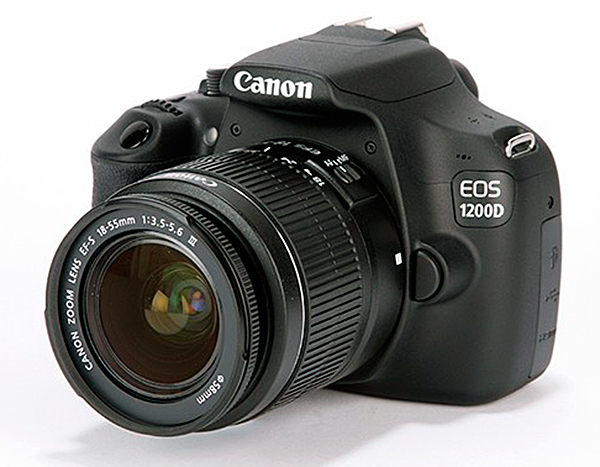

A DSLR basically means you are looking through the lens and when you take the picture, a mirror allowing for your view, lifts up to allow the shot to be taken. The advantage of this is that you see exactly what the camera does and allows for fine tuning of your focus. The disadvantage is some reduction in quality and potential camera shake from the mirror moving. This is not usually detectable but for slower shutter speeds it will became more noticeable. Any time you use a slow shutter speed, keep the camera still by either resting it on a firm surface or placing it on a tripod – this will help significantly.
I promise to cover other types of cameras and their particular benefits in future blogs but feel there is enough information here to help with the initial dilemma of which first camera to buy.

You might also like


